Punjab Introduces Student Relief
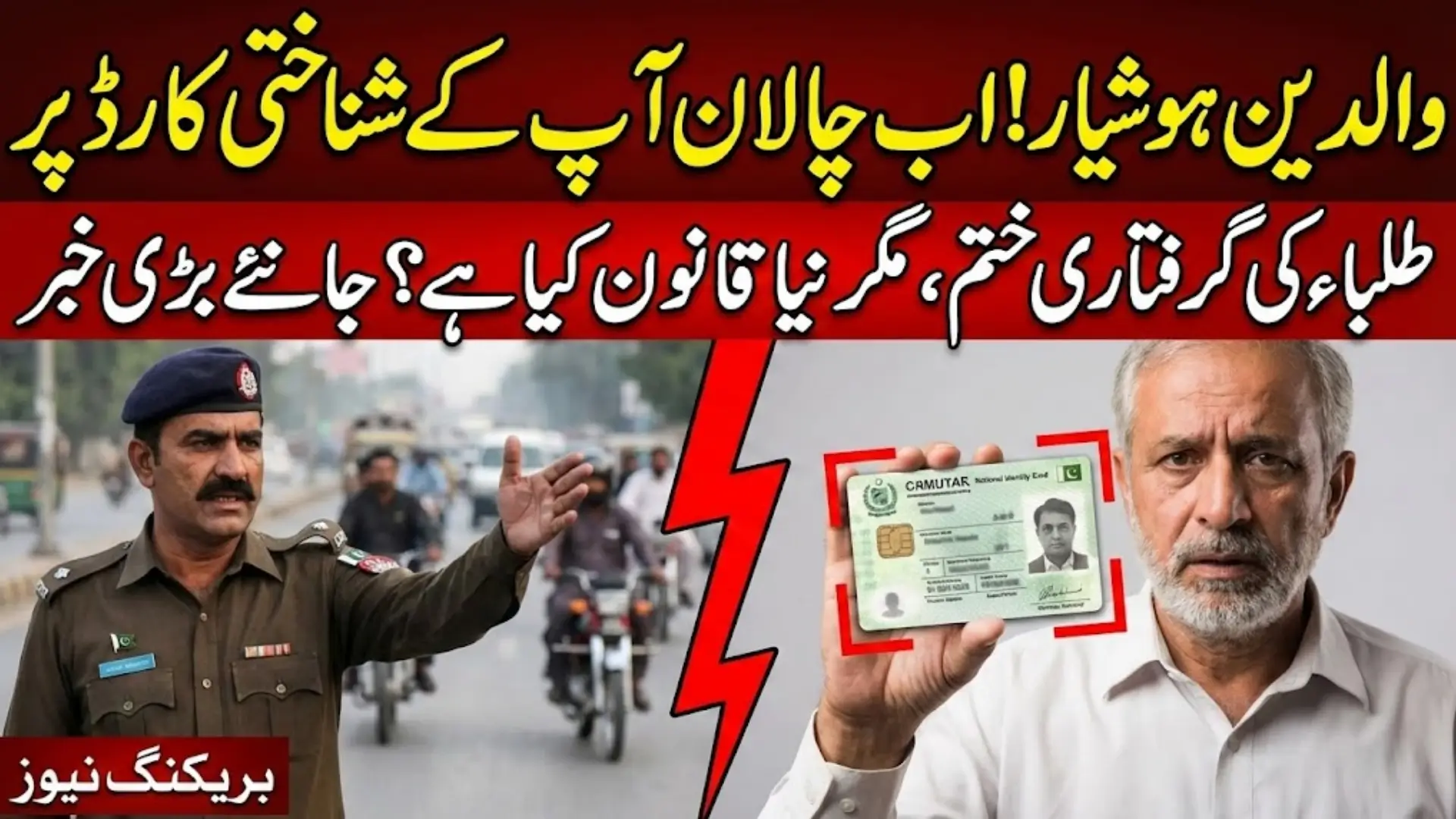
Punjab Introduces Student Relief Punjab has introduced a major shift in its traffic enforcement strategy after growing concerns about the treatment of underage riders during the ongoing traffic crackdown. The government recognized that strict punishment-focused actions were unintentionally harming students rather than helping them become safe and responsible road users. Families, schools, and legal experts consistently argued that minors should not be forced into legal complications for first-time or low-level traffic violations. Responding to these concerns, the Punjab government has now implemented dedicated student relief measures to protect children from criminalisation while strengthening road safety.
These updated directives make it clear that minors must never be detained, handcuffed, or presented in court for traffic violations. Instead, the responsibility for such actions now falls on parents and guardians, who must ensure that their children follow driving laws. This balanced shift aims to maintain safety on the roads while addressing the emotional and psychological impact harsh enforcement can have on young students. The new approach is expected to encourage communication, guidance, and accountability within families instead of relying solely on punitive methods.
You Can Also Read: Punjab Traffic Fines 2025 Updated
Why the Student Relief Policy Became Necessary
The recent traffic crackdown in Punjab exposed a series of issues that raised questions about the broader impact of aggressive enforcement on minors. Reports emerged of school and college students being taken to district courts, where many appeared stressed, confused, and embarrassed. Parents described these situations as traumatic, arguing that a single mistake should not jeopardize a child’s future. They expressed concerns that arrests or court appearances could leave long-term emotional scars or create misunderstandings between children and law enforcement authorities.
Legal experts also pointed out that existing traffic laws were never designed to criminalize minors but to encourage safe driving behavior. They recommended a more structured approach that focuses on education rather than intimidation. These public discussions ultimately created momentum for change and contributed to the development of the Student Relief Policy. The government recognized that a balanced solution was needed to support families, protect minors, and maintain traffic discipline at the same time.
You Can Also Read: Online FIR Check by CNIC Punjab
Key concerns raised by families and lawyers included:
- Possible damage to a student’s future educational or employment opportunities
- Anxiety, fear, and embarrassment caused by court proceedings
- Lack of parental involvement during enforcement actions
- Risk of creating negative perceptions of law enforcement among minors
Chief Minister’s Directive to Protect Students
Chief Minister Maryam Nawaz took immediate notice of the situation after videos and complaints highlighted the harsh treatment of minors during the crackdown. She issued clear orders that no student should ever be arrested or handcuffed for traffic violations, regardless of the severity of the crackdown. She emphasized that while enforcing traffic laws is essential for public safety, children must be treated with respect and care, as their mental and emotional development can be greatly affected by such incidents.
Her instructions were welcomed across the province because they recognized the unique needs of minors. Instead of being swept into the legal system, underage riders will now receive guidance and counseling from traffic authorities. Parents will be contacted, warned, and held accountable where necessary. The Chief Minister’s directive marks a shift toward a more compassionate, educational, and responsible enforcement model that protects both public safety and children’s well-being.
You Can Also Read: Phase 2 Eligibility Is Based on Poverty Means Test Verification
How the Student Relief Measures Are Being Implemented
The Additional IG Traffic Punjab, Waqas Nazeer, promptly issued orders to all traffic officers to stop detaining or arresting minors. Instead, enforcement teams now follow a guardian-first approach. When an underage rider is stopped, officers are required to contact the student’s parent or guardian and ensure they take responsibility for the violation. This method encourages better communication between families and authorities and helps parents stay informed about their children’s activities.
Officers are also instructed to issue e-challans under the parent’s CNIC, ensuring accountability remains intact. However, minors will only receive safety instructions instead of facing legal action or detention. Motorcycles may be temporarily held, but only until the guardian arrives, ensuring that the student is not placed under any unnecessary pressure. This structured approach maintains order without causing emotional harm or legal consequences for young riders.
Implementation features include:
- No arrests, detentions, or handcuffing of minors
- Parents are called immediately when a minor violates traffic rules
- E-challans issued to the guardian’s CNIC for accountability
- Students receive on-the-spot counseling for safe driving
- Motorcycles may be withheld for safety purposes until a guardian arrives
Internal Police Accountability: Equal Rules for All
To ensure fairness, the Punjab government also reinforced internal accountability within the traffic police. In the last 72 hours alone, 149 police-owned vehicles were impounded due to unpaid e-challans. These vehicles were not released until the fines were paid, sending a strong message that the law applies to everyone, including government employees. This strict internal enforcement boosts public confidence and demonstrates that traffic rules are not one-sided.
This move also strengthens the credibility of the new Student Relief Policy. When citizens observe that officials follow the same rules, they are more likely to trust the fairness of traffic enforcement. It also encourages officers to model responsible behavior, creating a more disciplined and transparent traffic policing system.
You Can Also Read: 8171 Payment SIM Verification December 2025
Student Relief Policy
| Area | Old Practice | New Student Relief Policy |
|---|---|---|
| Treatment of Minors | Arrests, detentions, court appearances | No arrests or handcuffs; counseling only |
| Accountability | Minor considered responsible | Parent or guardian held accountable |
| Impact on Students | Emotional stress, legal risk | Protection from legal complications |
| Enforcement Style | Punishment-focused | Education-focused + fines for guardians |
Impact on Students, Parents, and Schools
The new policy brings meaningful relief for families across the province. Students can now feel more secure while traveling to school or college, knowing they will not be treated as criminals for minor violations. This reduces fear and builds confidence, allowing them to focus on their education rather than worrying about legal consequences. The policy also encourages young people to learn safe driving habits without experiencing trauma.
Parents now play a more active role in monitoring their children’s driving behavior. With fines issued under their CNIC, guardians are encouraged to guide their children and ensure they are not misusing motorcycles. Schools and colleges can also contribute by incorporating road safety sessions or awareness activities. This shared responsibility strengthens safety culture and helps reduce underage driving incidents.
You Can Also Read: Traffic Challan Psid Check Online
How schools and families benefit:
- Students are protected from legal and emotional harm
- Parents gain clearer oversight and accountability
- Schools can promote safety education more effectively
- Families and authorities can work together for safer roads
Road Safety Through Awareness and Guidance
The government’s shift toward an educational model emphasizes awareness and responsible behavior rather than strict punishment. Increasingly, traffic police are conducting safety sessions, distributing informational material, and visiting schools to educate students about responsible driving habits. This approach highlights the importance of developing long-term behavioral change through understanding rather than fear.
The focus on education includes basic safety principles such as wearing helmets, understanding traffic signs, following speed limits, and respecting age restrictions for licenses. This helps minors become more conscious of their responsibilities and encourages healthy driving habits. The combination of parental accountability, student guidance, and police support ensures a more balanced and effective traffic management strategy across Punjab.
You Can Also Read: 8171 SMS Issue Attempt and Know Details
FAQs
1. What is the Student Relief Policy?
It is a new initiative that stops the arrest of minors for traffic violations and shifts the responsibility to parents or guardians.
2. Will minors still receive fines?
Fines are issued only to parents or guardians, not to the minor.
3. Is this policy effective across all districts in Punjab?
Yes, traffic authorities across Punjab are required to follow it.
4. Will this weaken law enforcement?
No. Traffic enforcement remains strict, but the approach toward minors has been made child-friendly.
5. Do parents have any new responsibilities?
Yes. Guardians are now accountable for ensuring that minors do not drive illegally and that fines are paid promptly.
Conclusion
Punjab’s Student Relief Policy represents a thoughtful and balanced approach to traffic enforcement. By removing the threat of arrests and legal complications for minors, the government has created a child-friendly process that protects students and preserves their future. At the same time, the policy ensures that parents remain responsible and that traffic rules are enforced fairly for everyone. Through education, accountability, and compassion, Punjab is building a safer environment for young people and promoting a stronger culture of responsible driving